Samuel Agenorwoth

Research

How can we see inside a structure we cannot open? I study inverse problems for waves: recovering the hidden geometry of a structure from how waves travel through it, and quantifying how confident we can be in the result.

Papers and theses

Projects

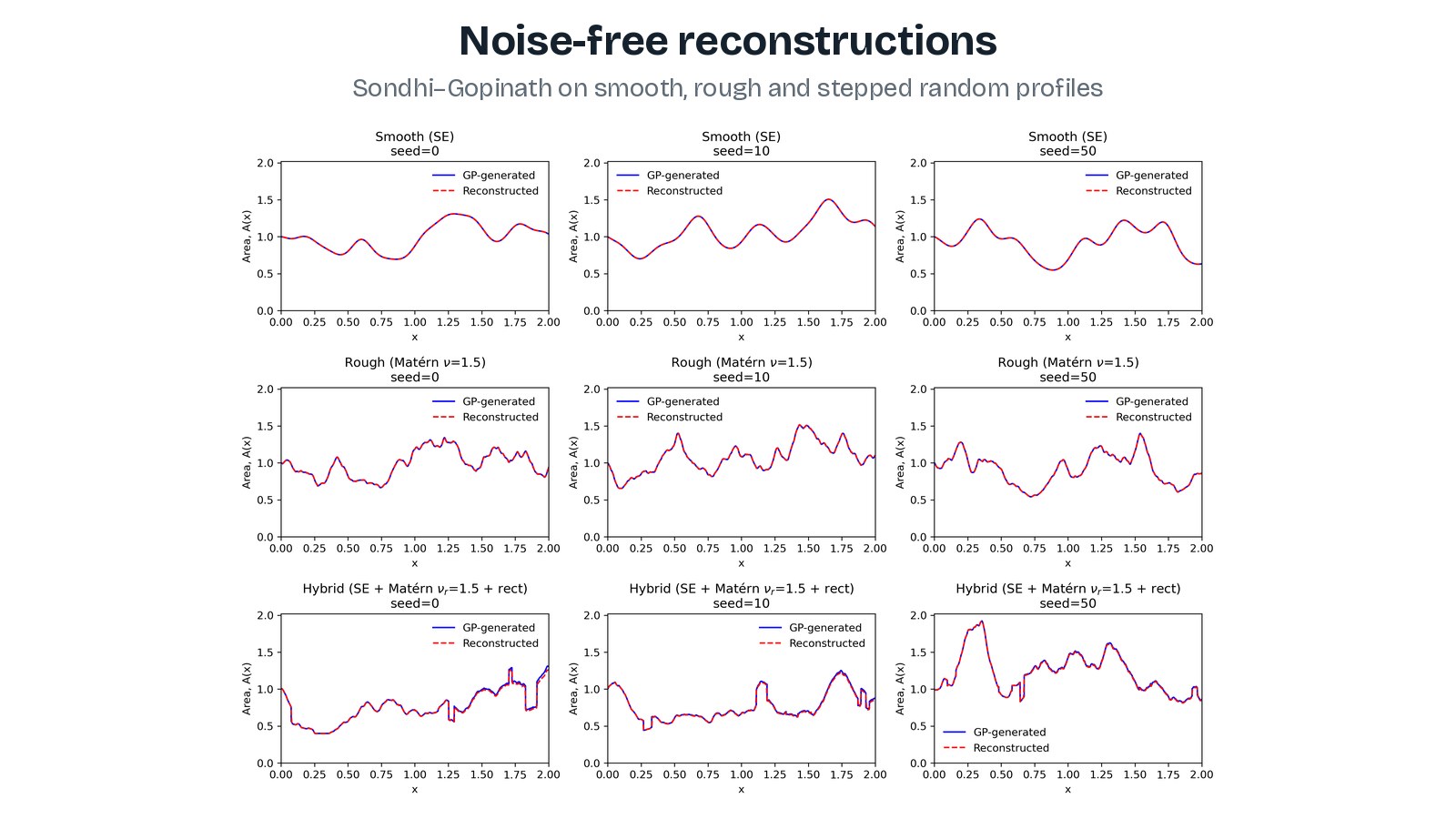
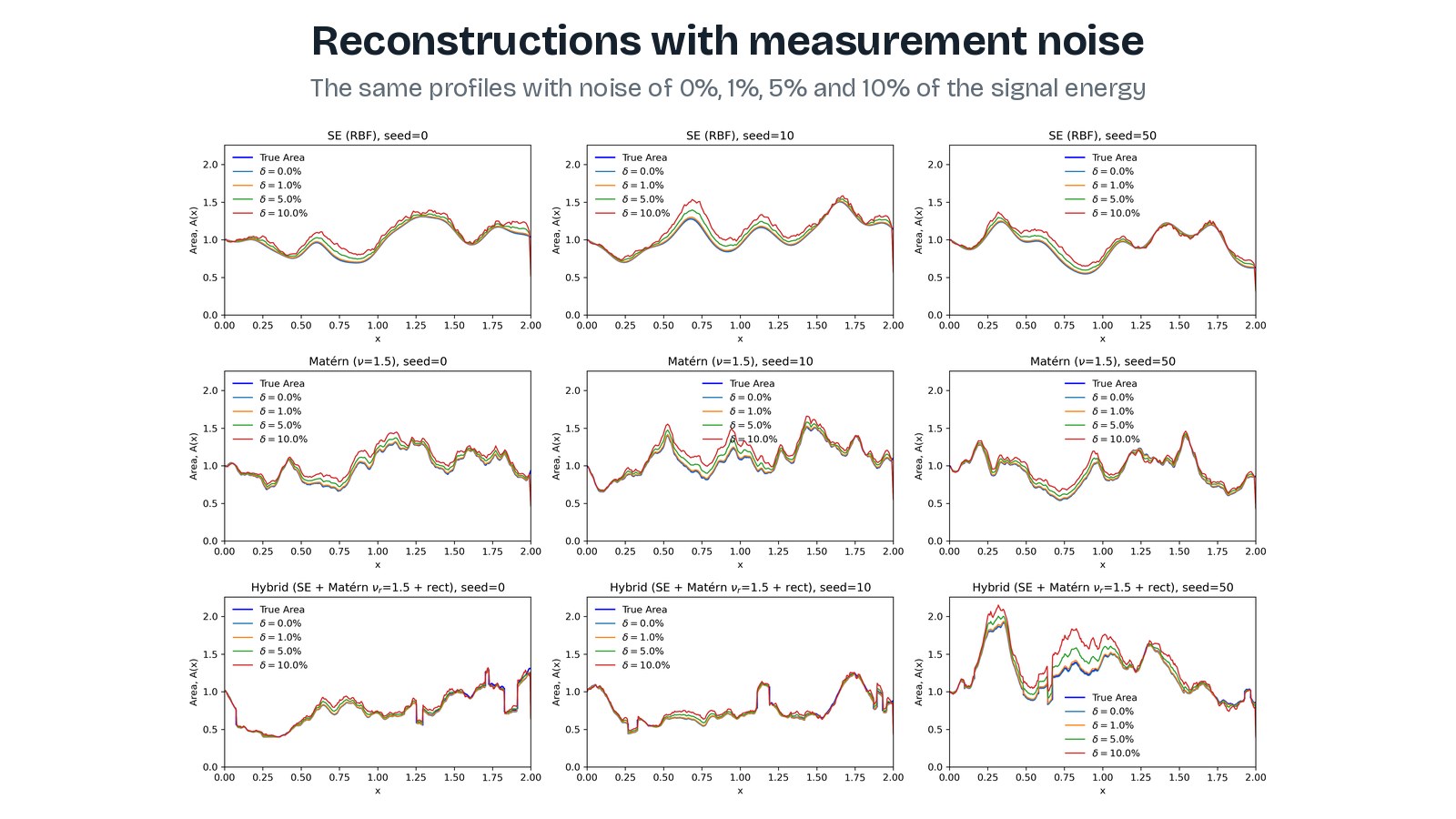
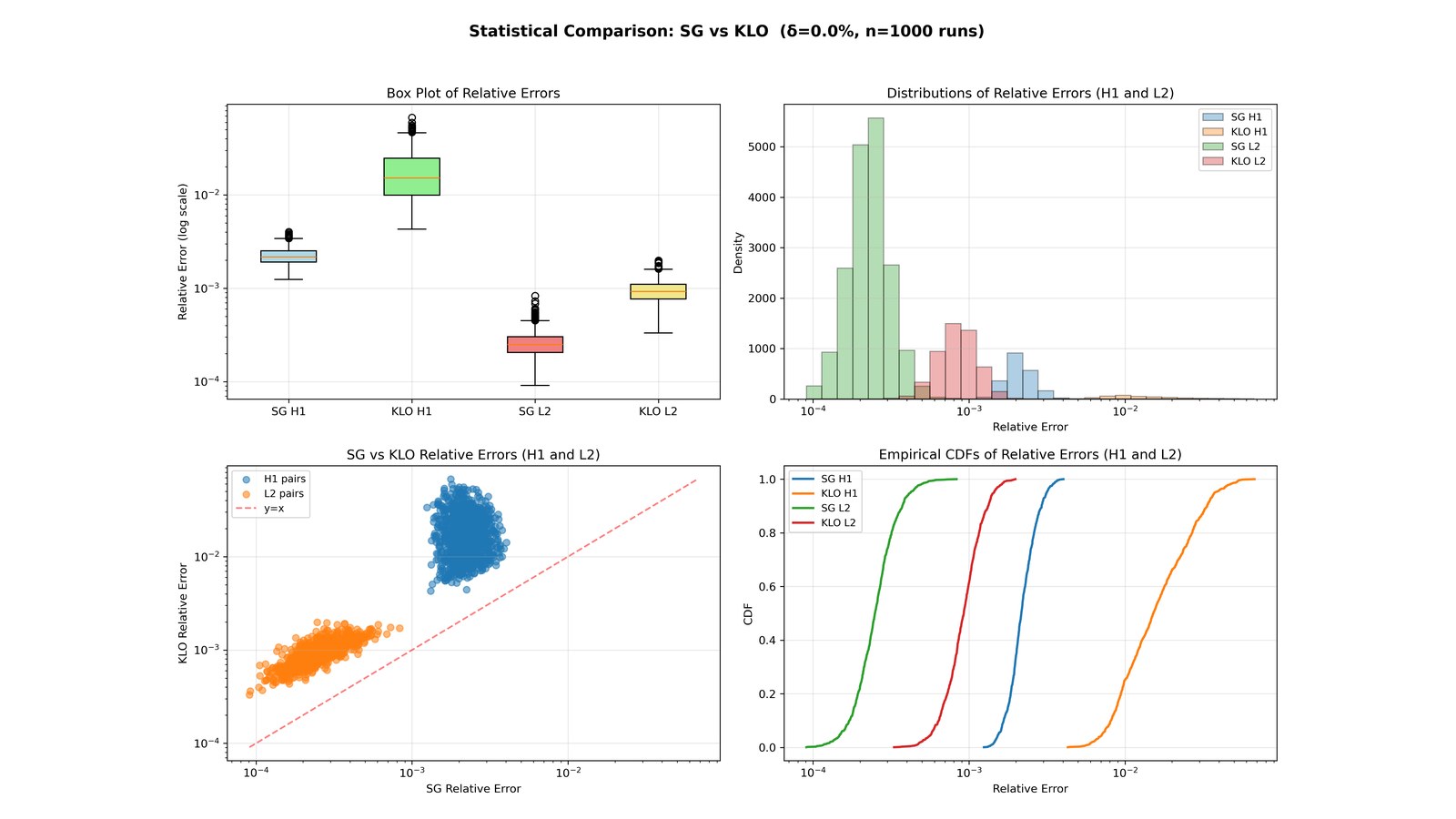
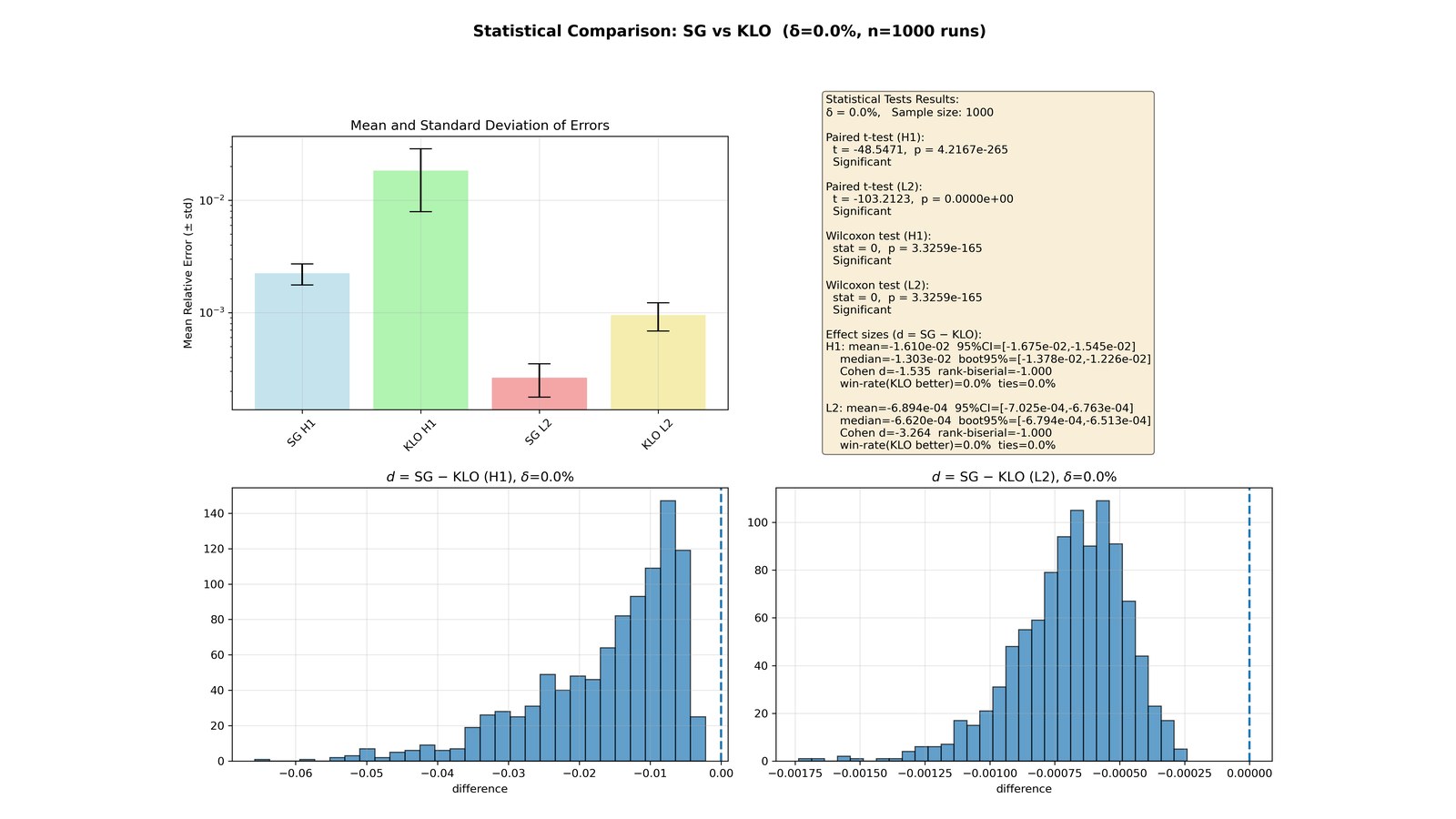
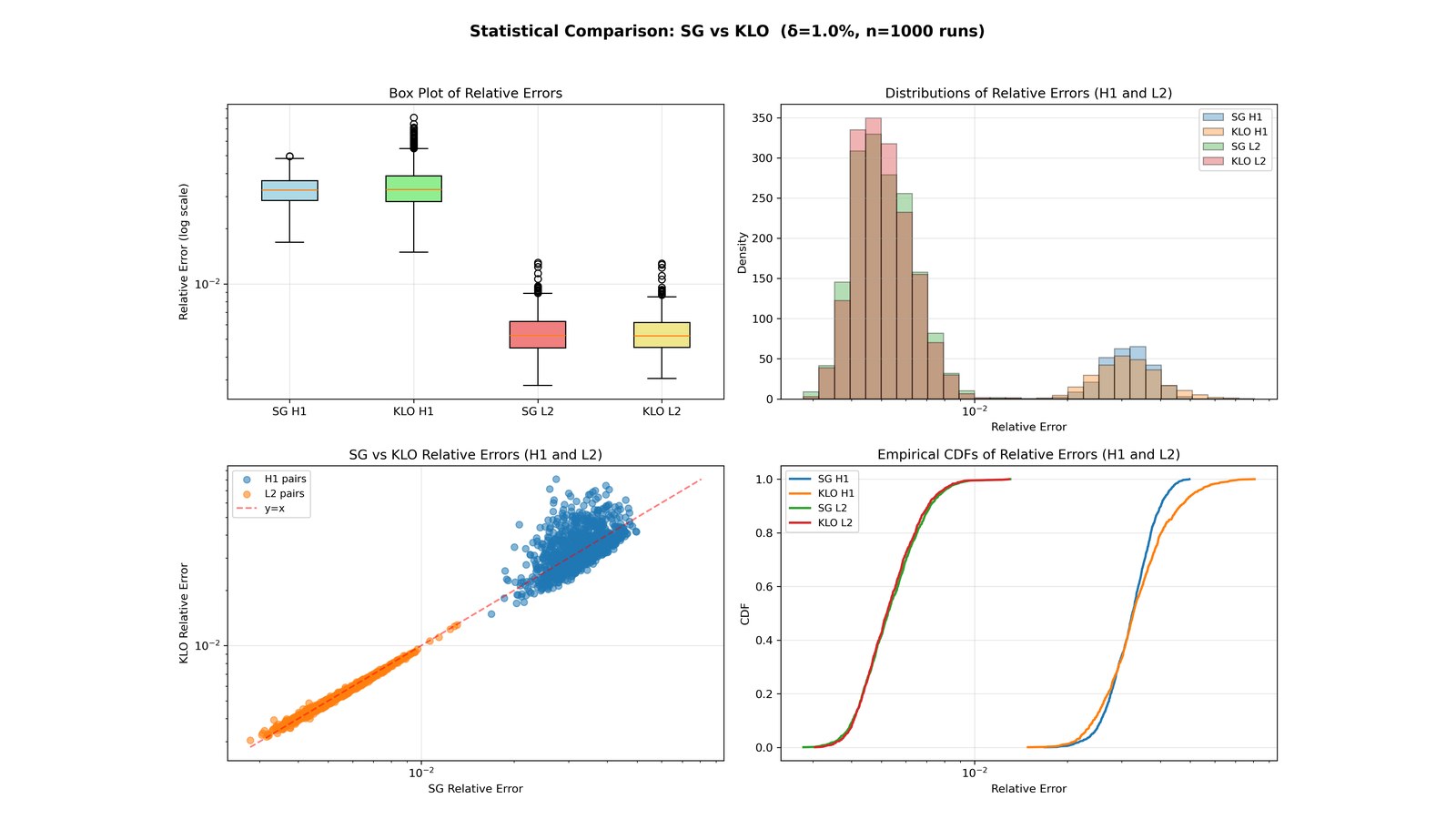
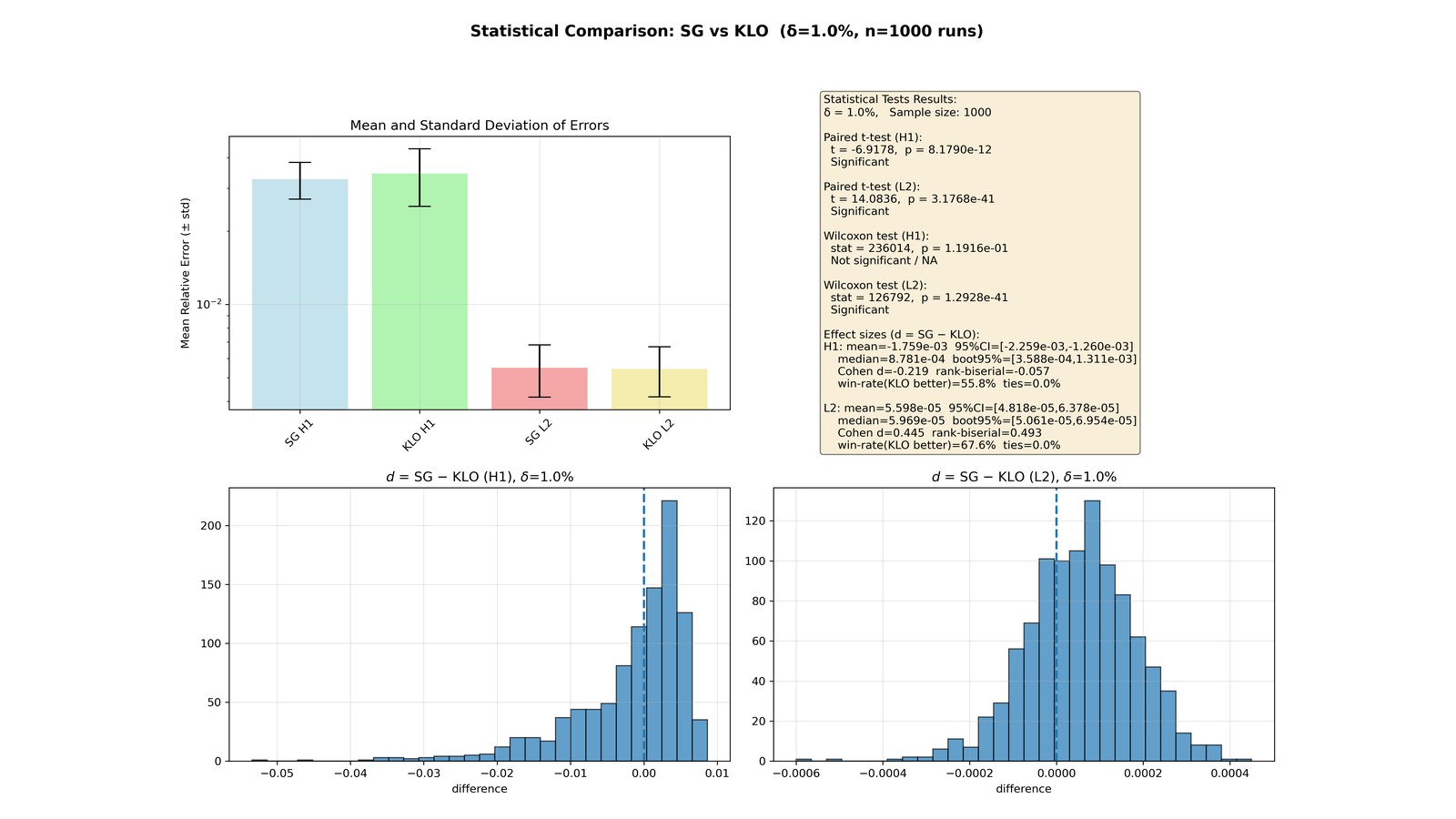
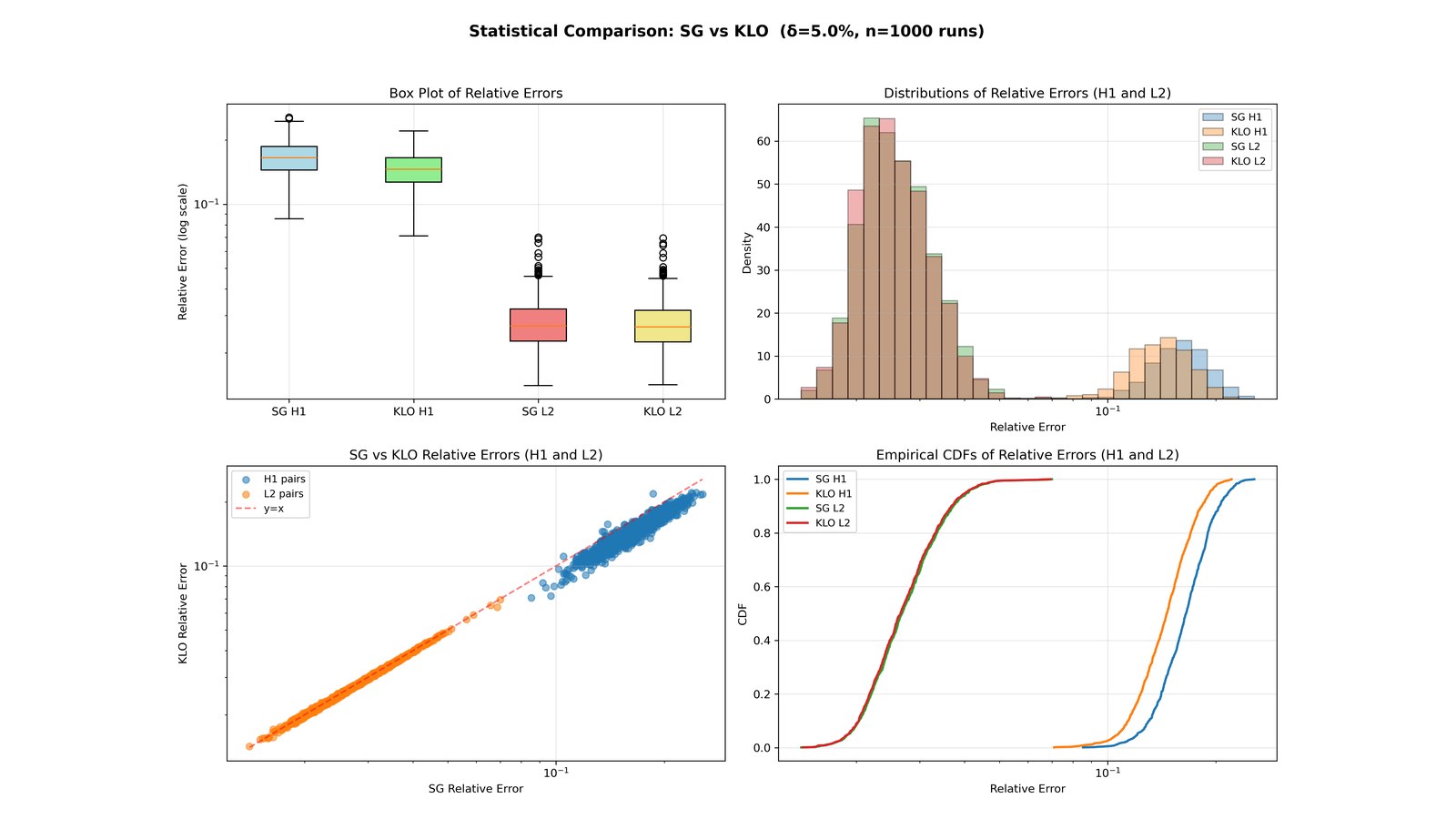
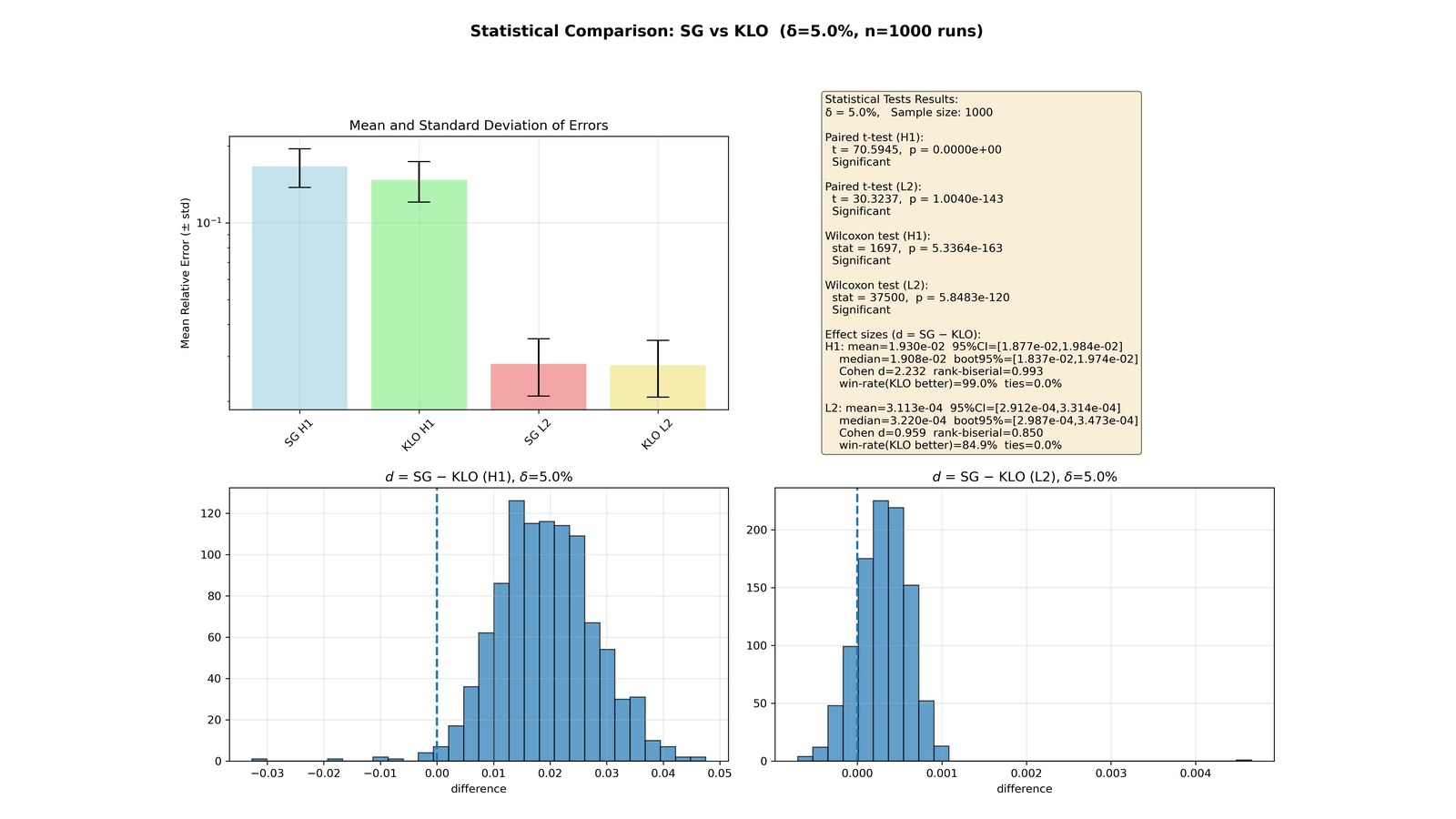
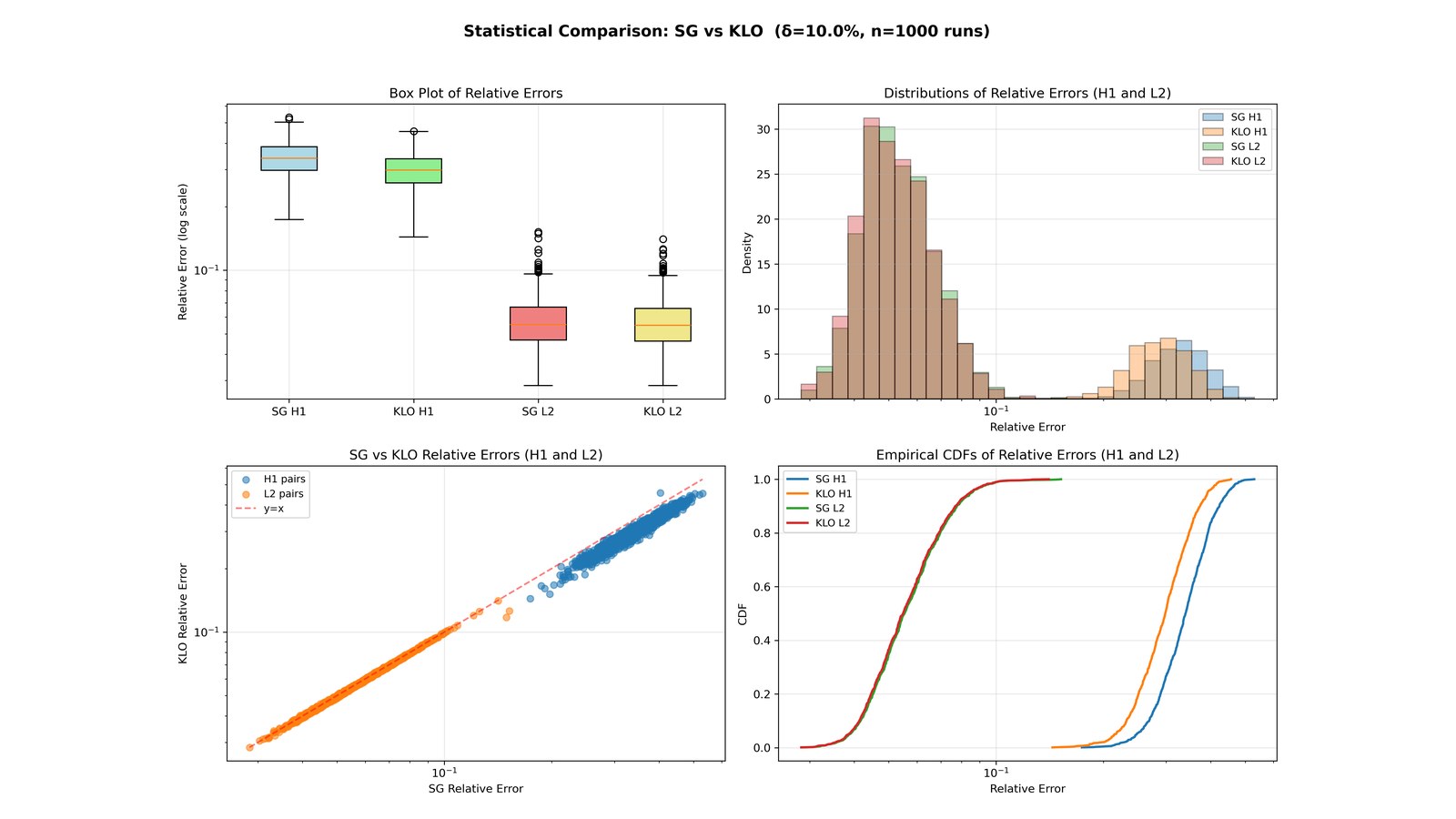
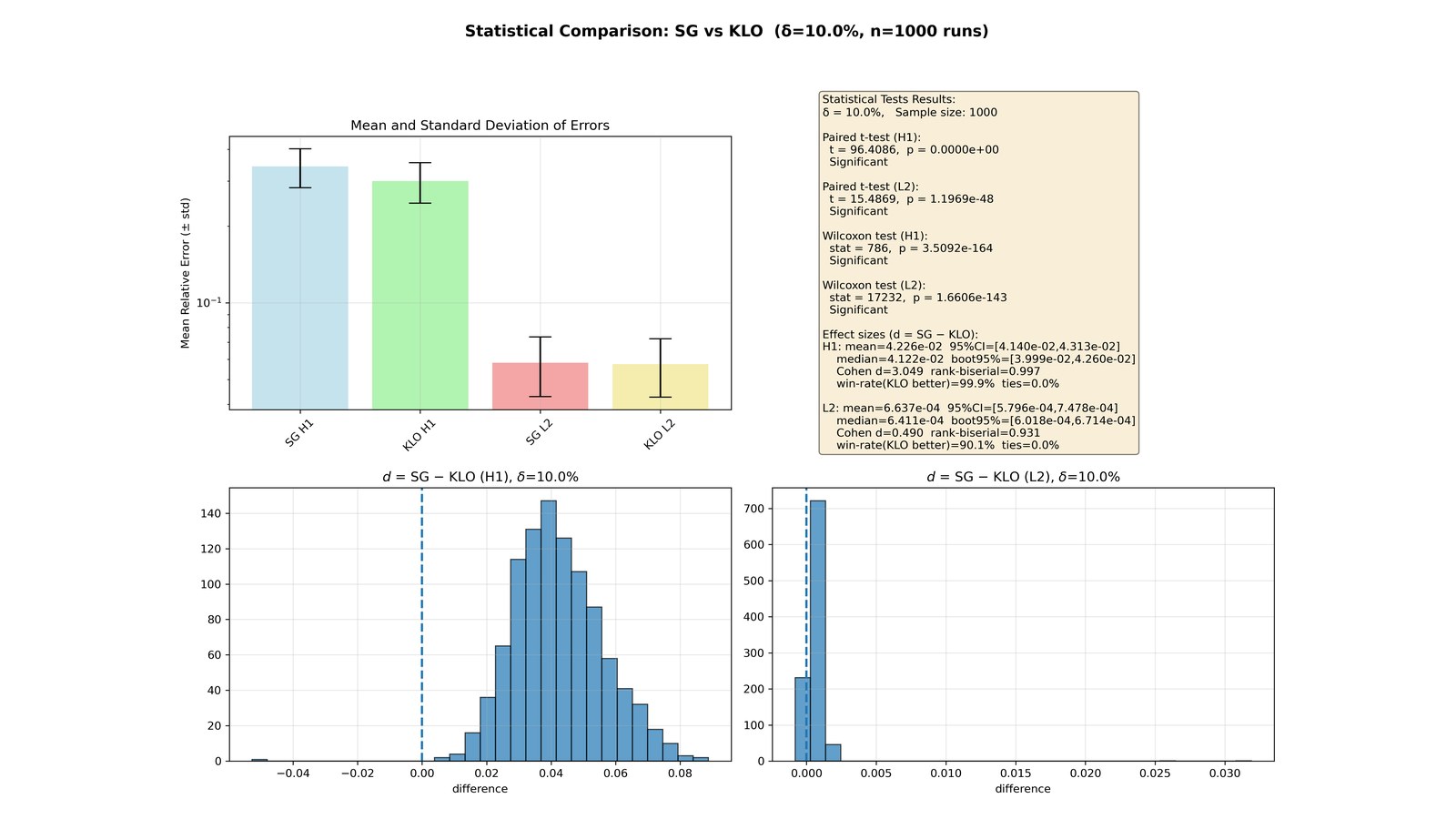
Noise-free reconstructions of nine random pipe area profiles, smooth, rough and stepped, each matching the true profile Reconstructions of the same nine profiles with 0, 1, 5 and 10 percent noise Statistical comparison of SG and KLO without noise: box plots, histograms, scatter plot and cumulative distributions of relative errors Statistical tests without noise: mean errors, paired t-tests, Wilcoxon tests and effect sizes, with SG better in every run Statistical comparison of SG and KLO with 1 percent noise Statistical tests with 1 percent noise, where the two methods are close Statistical comparison of SG and KLO with 5 percent noise Statistical tests with 5 percent noise, with KLO better in 99 percent of runs in the H1 error Statistical comparison of SG and KLO with 10 percent noise Statistical tests with 10 percent noise, with KLO better in 99.9 percent of runs in the H1 error

Inverse Problems, 2026

Statistical comparison of reconstruction methods for the inverse boundary problem of the one-dimensional wave equation

With Emilia Blåsten. A systematic comparison of two methods for recovering the internal cross-sectional area of a pipe from boundary measurements: Sondhi–Gopinath (1971) and Korpela–Lassas–Oksanen (2016). Tested on 1000 random area profiles with noise up to 10% of the signal energy, Sondhi–Gopinath performs better at low noise and Korpela–Lassas–Oksanen at high noise, while Sondhi–Gopinath is easier to implement and runs faster.

  • Inverse problems
  • Wave equation
  • Statistical testing
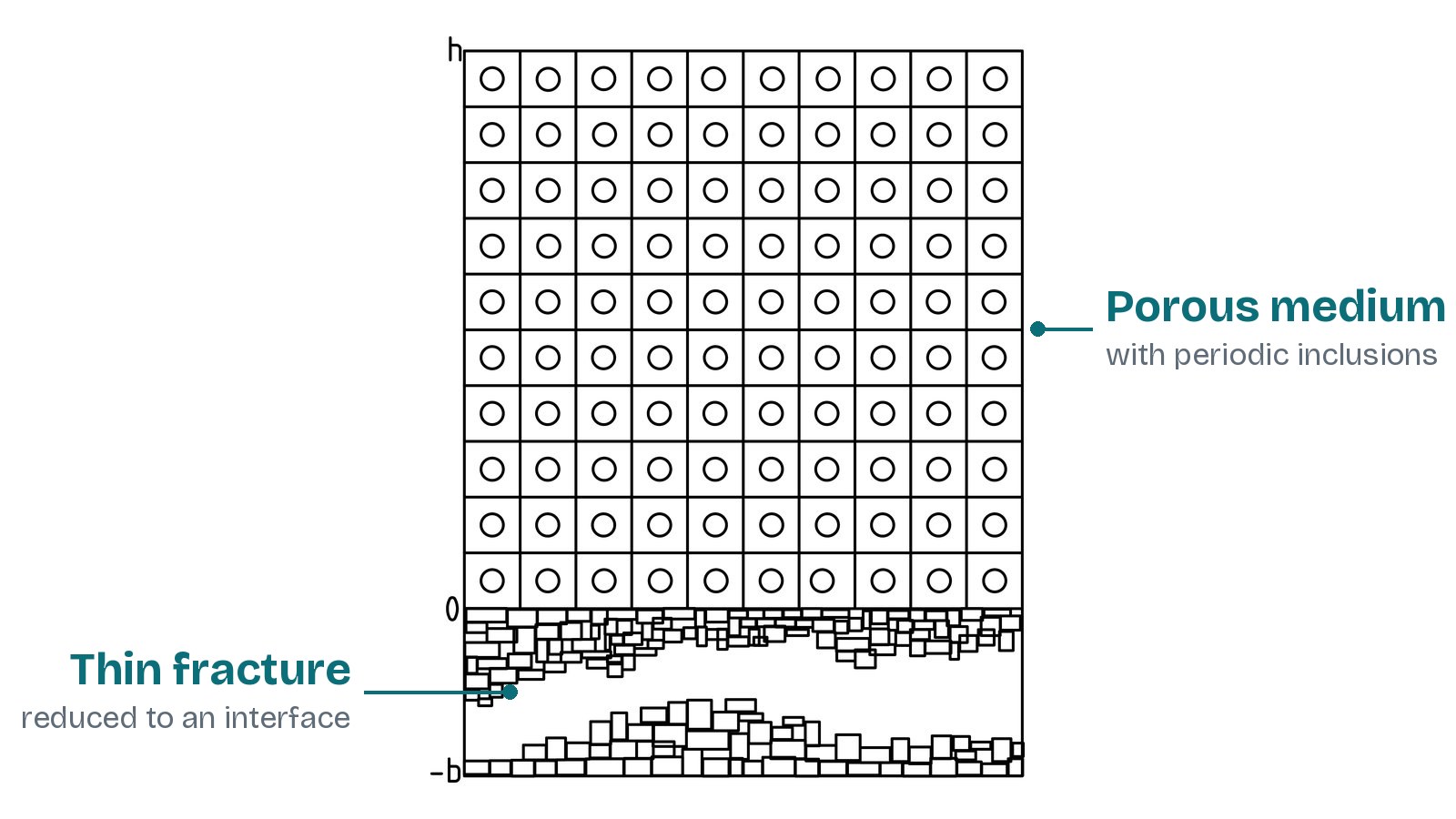
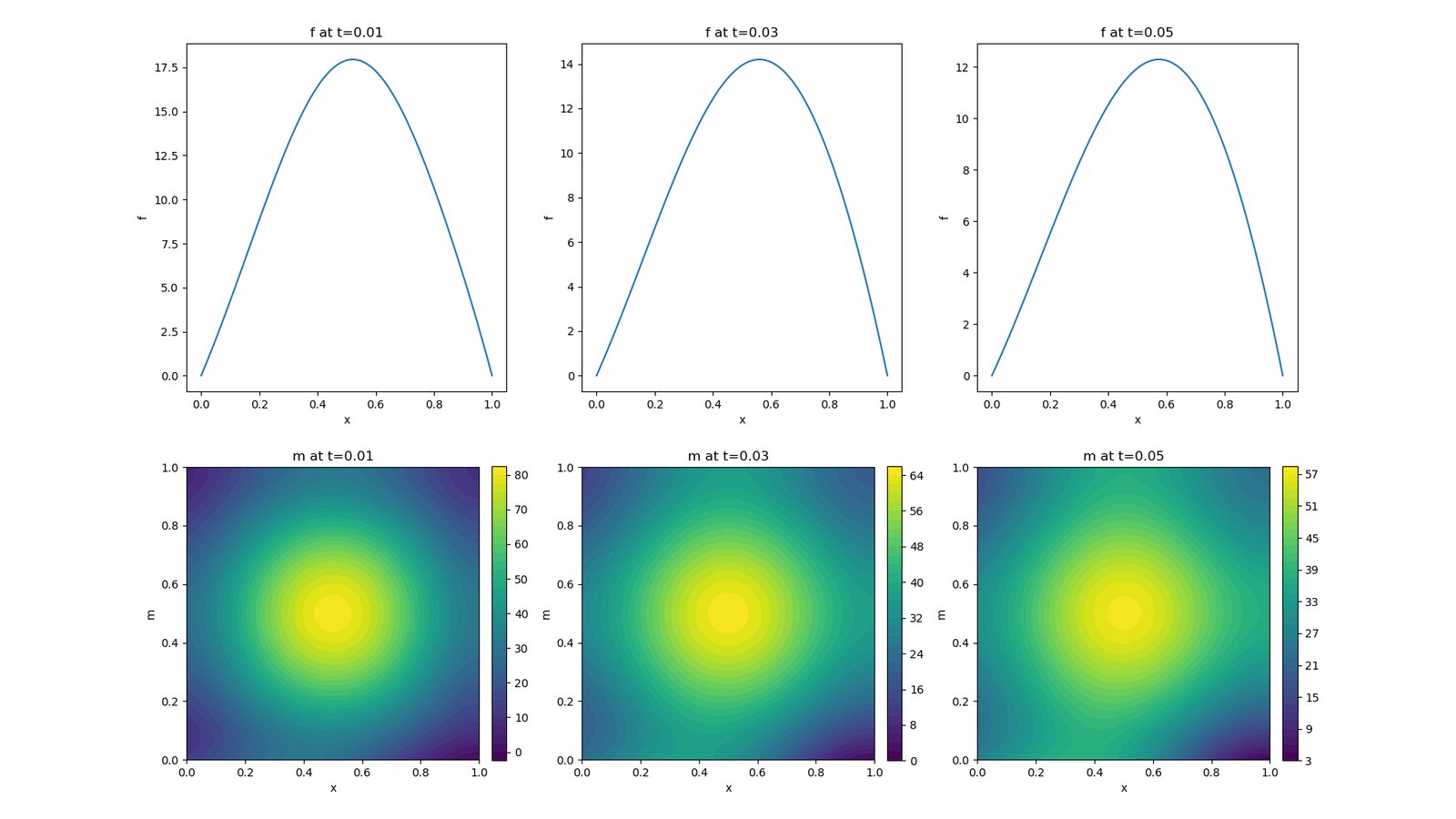
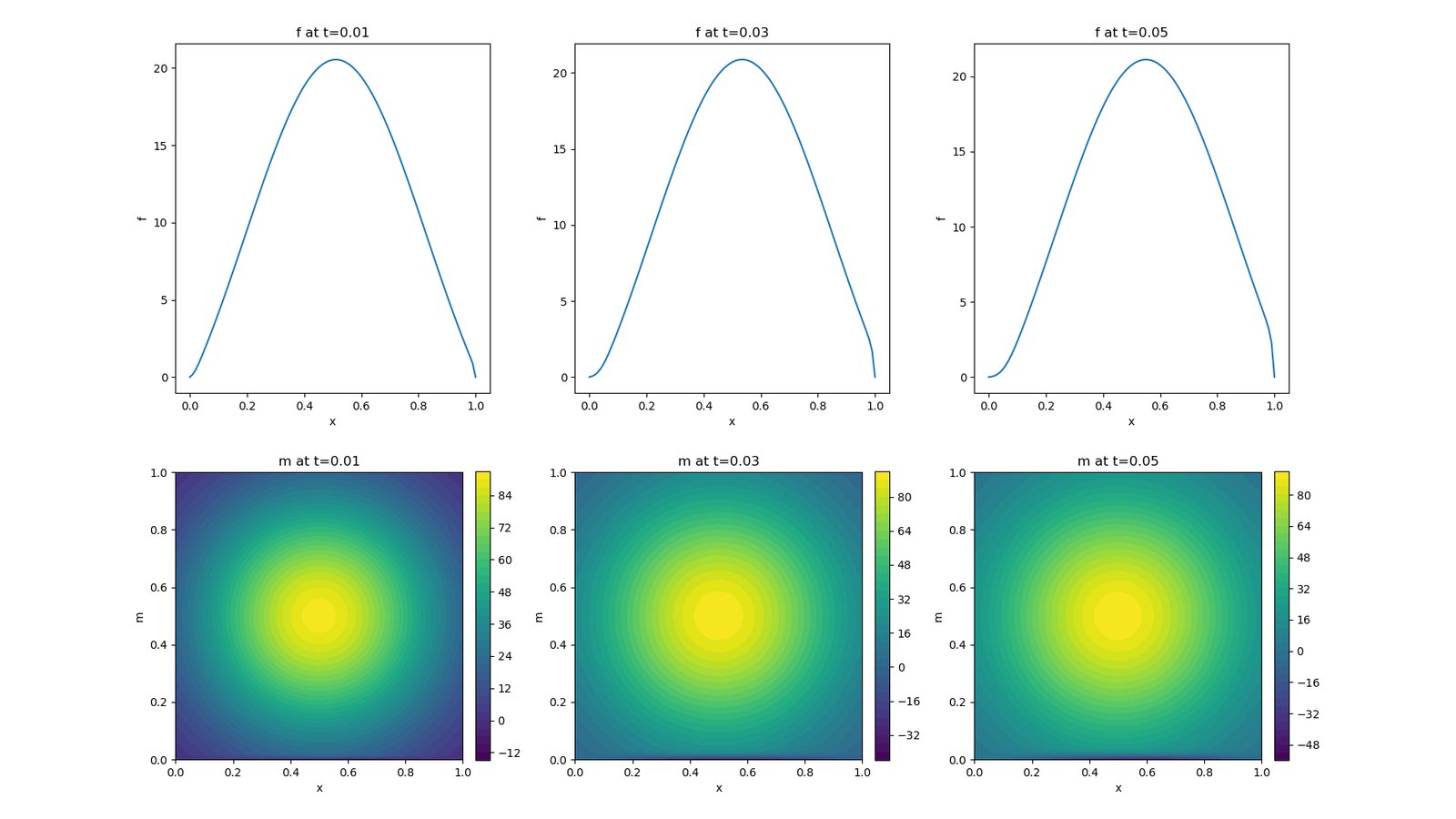
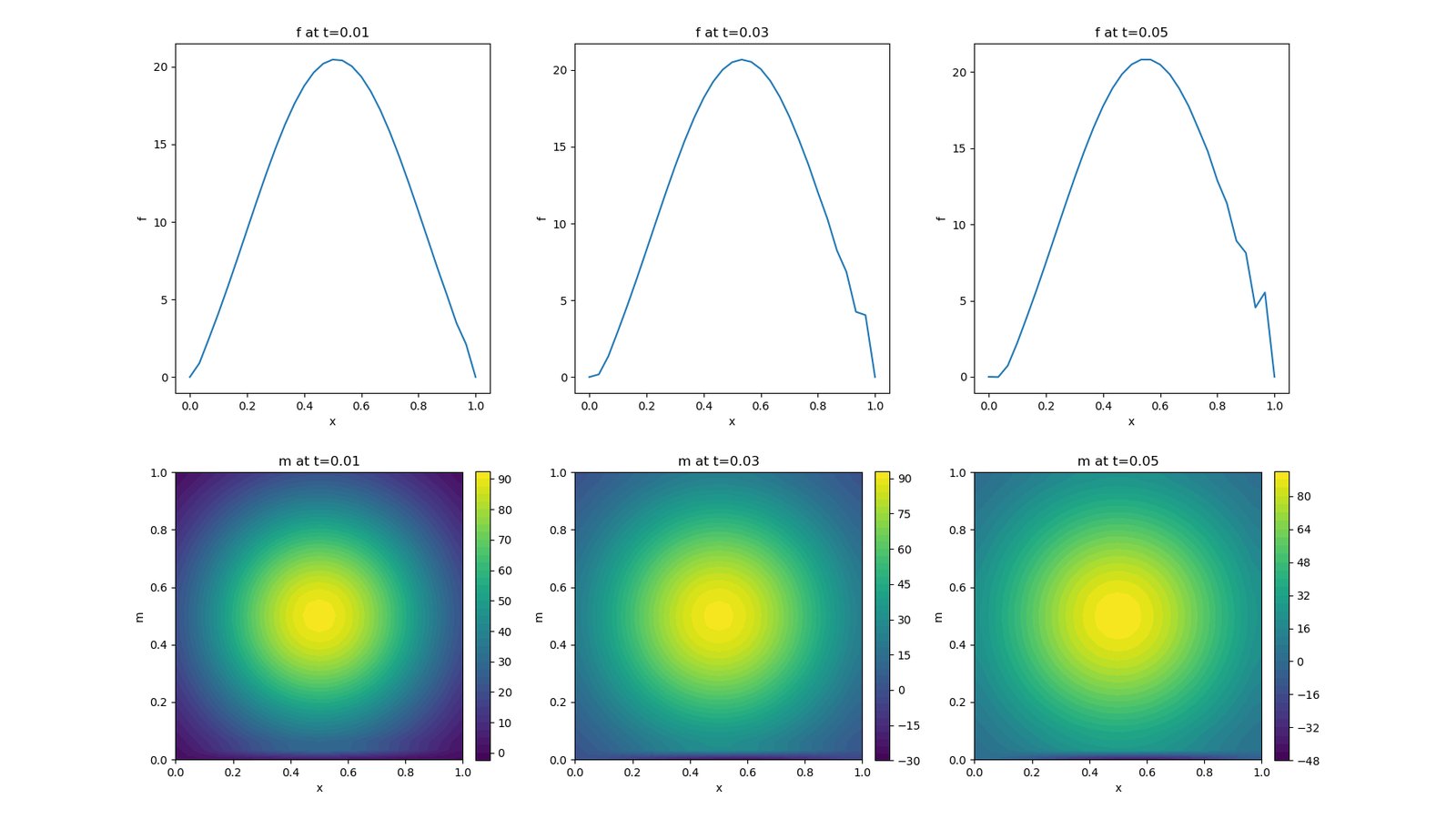
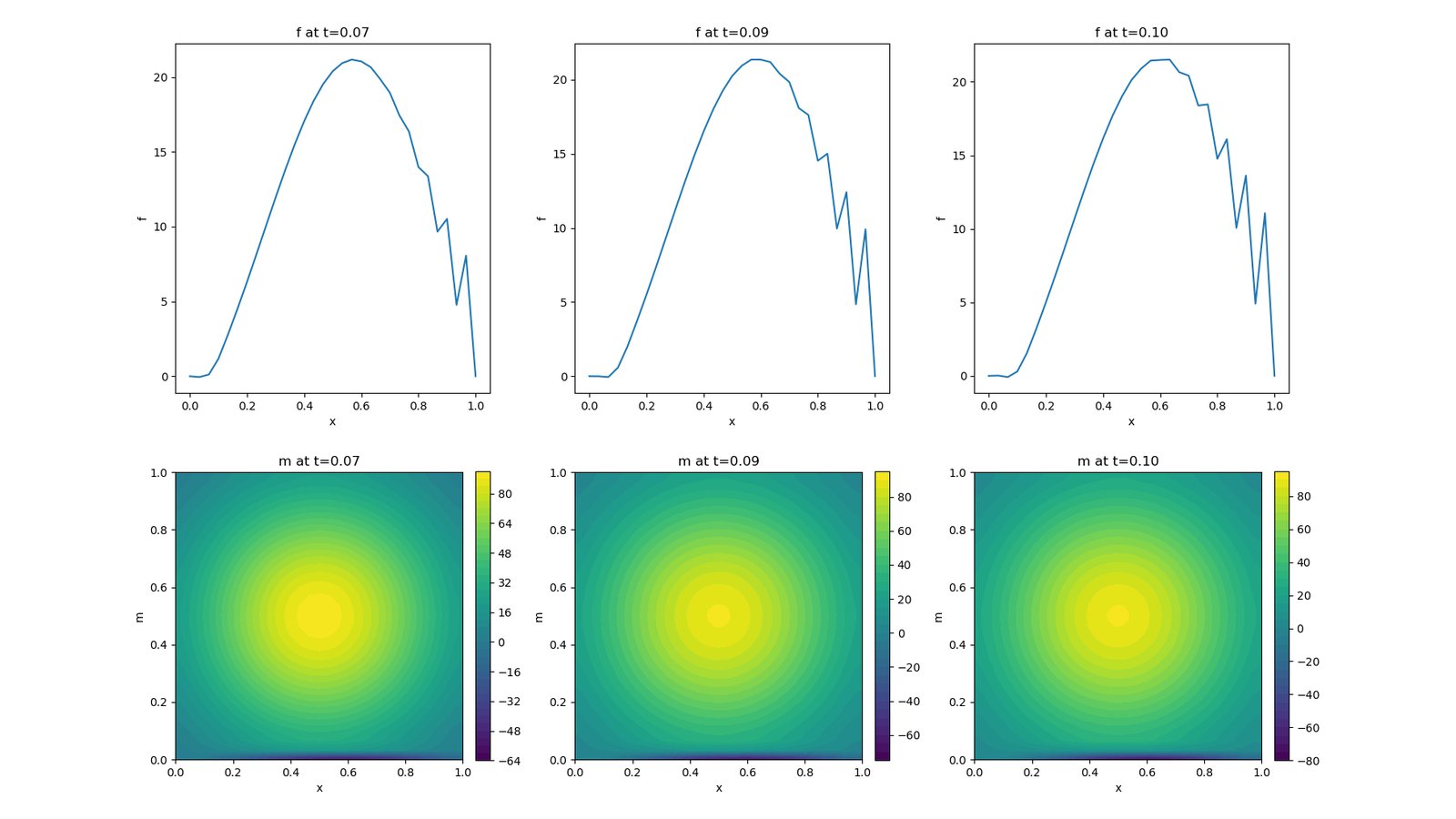
Model domain: a porous medium with a periodic grid of inclusions between 0 and h, above a thin fracture with rough walls between -b and 0 Finite element results at times 0.01, 0.03 and 0.05: the concentration f along the fracture and the field m in the porous medium Results for case 4 at times 0.01, 0.03 and 0.05: a smooth profile of f along the fracture and the field m in the porous medium Case 4 with unwanted numerical oscillations: at times 0.01 to 0.05, the profile of f starts to wiggle near x = 1 Case 4 at later times 0.07 to 0.10: the oscillations in f near x = 1 have grown large

Master's thesis, Karlstad University, 2024

Tracer transport in fractured porous media

I studied transport in fractured porous media by deriving reduced adsorption–convection–diffusion models using two-scale homogenization and dimension reduction. The models describe transport through a thin fracture embedded in a heterogeneous porous medium, with the fracture reduced to a lower-dimensional interface, and were investigated numerically using the finite element method.

  • FEniCS
  • Finite elements
  • Homogenization
  • Porous media
Read the thesis
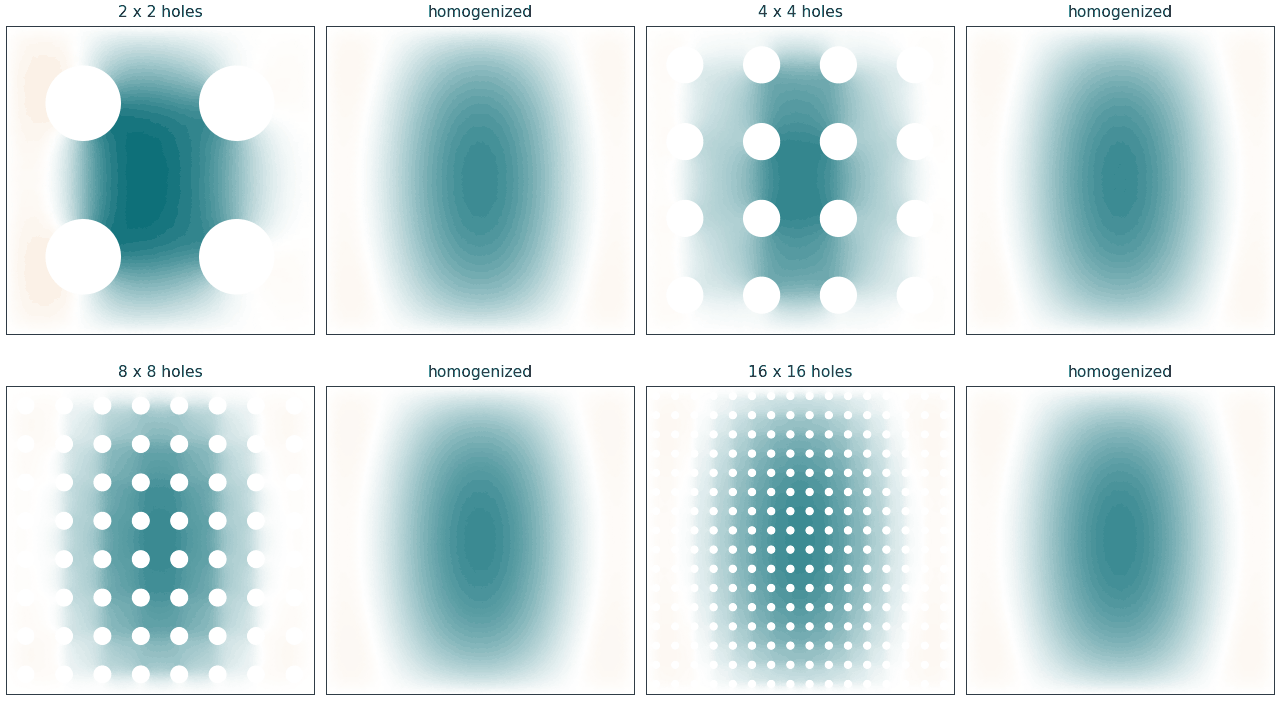
Animation of a diffusion problem in a square with more and more small holes, next to its homogenized solution without holes, which it comes to resemble

Karlstad University, 2023–24. Revised 2026.

Homogenization in a perforated domain

A diffusion problem in a material full of small holes, solved directly and through homogenization. The effective coefficients come from periodic cell problems, and the difference between the two solutions shrinks in proportion to the hole size, as the theory predicts. A group project, rewritten in Python.

  • Python
  • Homogenization
  • Multiscale modelling
View on GitHub
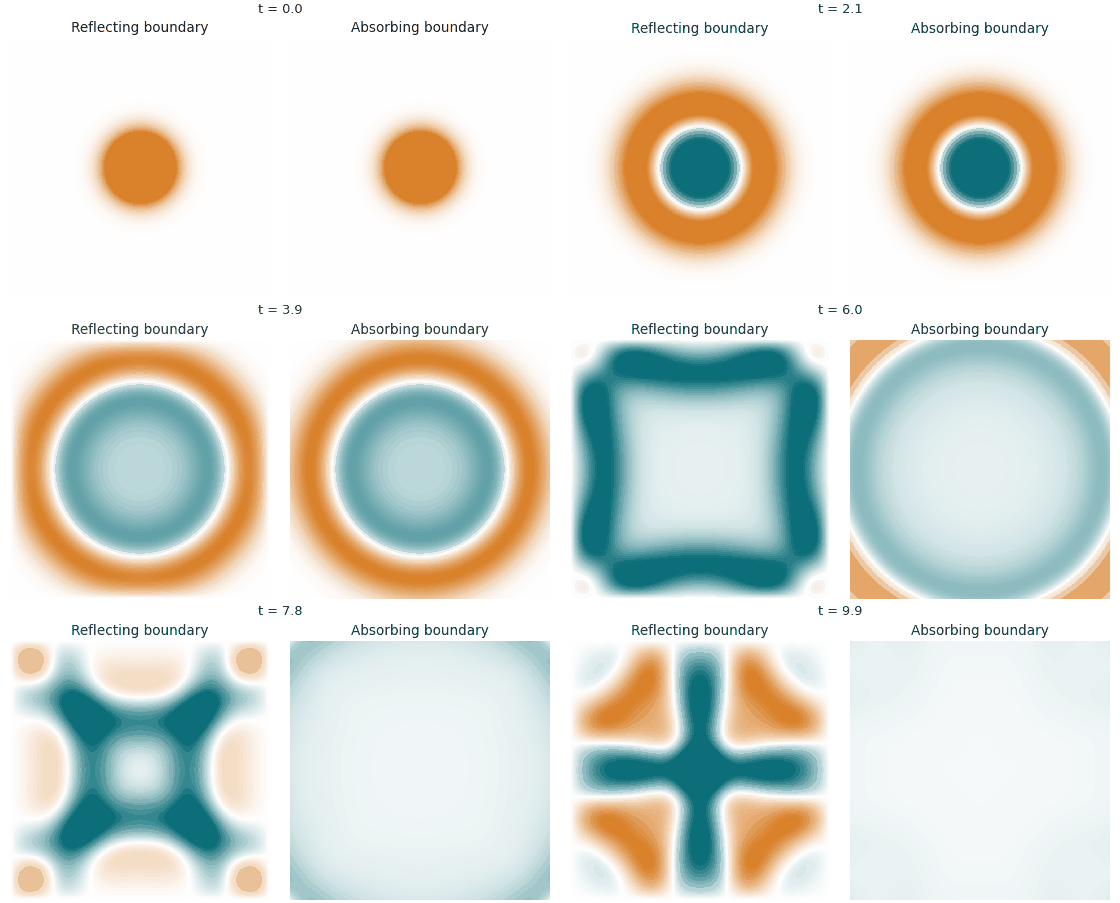
Animation of a circular wave in a square: on the left the walls reflect it back into the square, on the right an absorbing boundary lets it leave

Karlstad University, 2024. Revised 2026.

Absorbing boundary conditions for waves

Simulation of the 2D wave equation with finite differences, comparing reflecting boundaries with the absorbing boundary conditions of Engquist and Majda. The second-order condition cuts the reflected wave to under 2% of the original pulse.

  • Python
  • Finite differences
  • Wave equation
View on GitHub
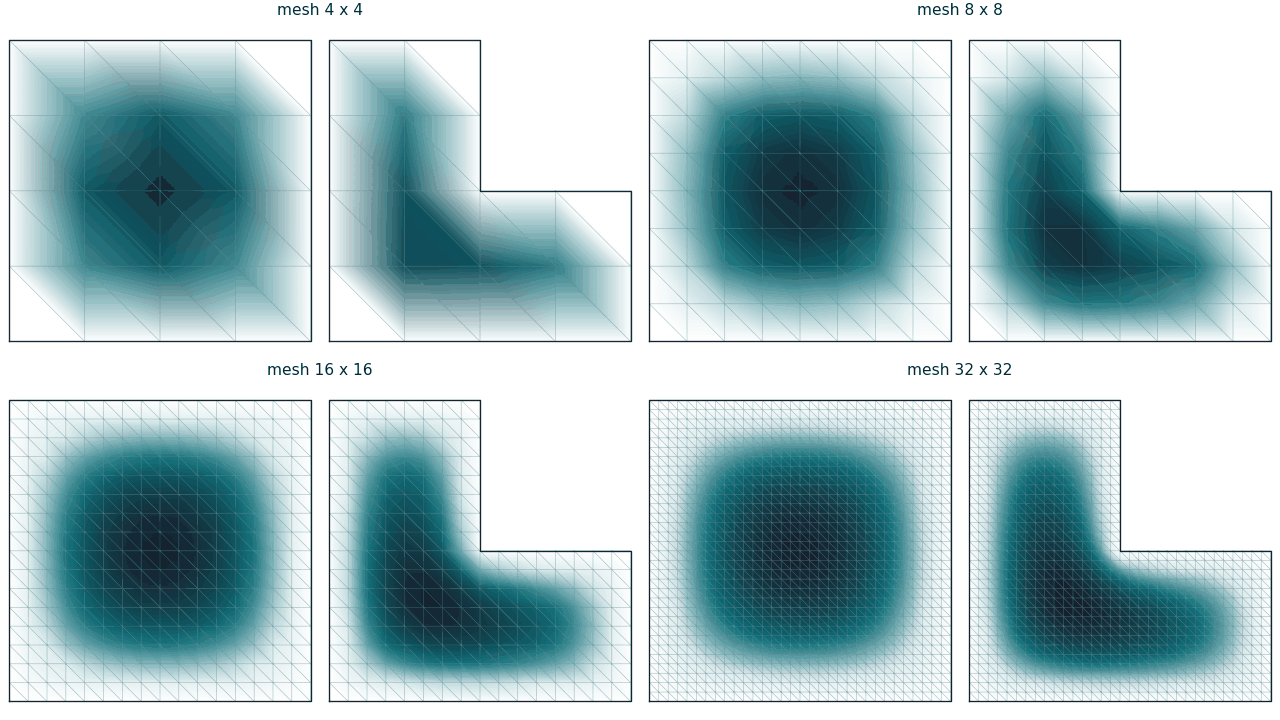
Animation of finite element solutions on a square and an L-shaped domain, on triangle meshes that get finer from 4 by 4 to 32 by 32

Karlstad University, 2024. Revised 2026.

Finite elements in 2D, built from scratch

A finite element solver written with NumPy and SciPy only, for a reaction–diffusion problem on a square and an L-shaped domain. An error study against an exact series solution shows textbook convergence on the square, and slower convergence on the L-shape caused by its re-entrant corner.

  • Python
  • Finite elements
  • Convergence analysis
View on GitHub
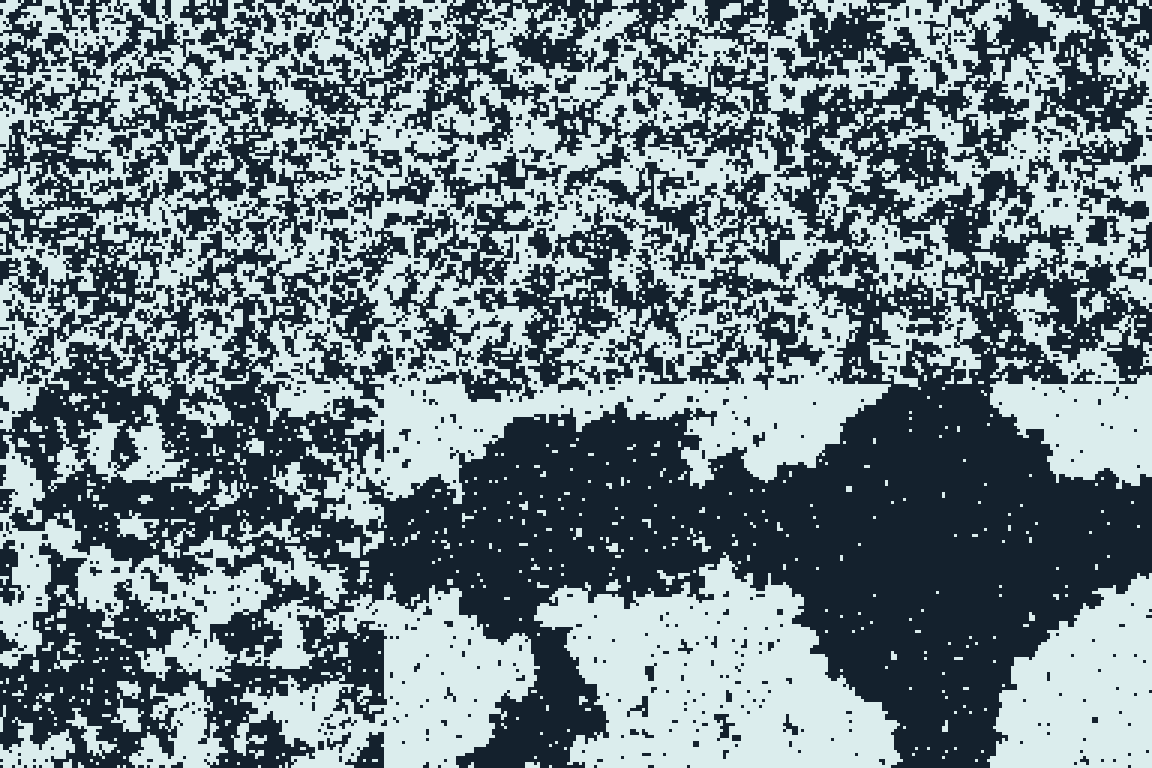
Animation of a 2D Ising lattice cooling through the phase transition, from random noise to one uniform colour

University of L'Aquila, 2023. Revised 2026.

Monte Carlo simulation of the 2D Ising model

A MATLAB simulation of the classic model of magnetism. It reproduces the phase transition with the Metropolis algorithm and is validated against the exact solution of Onsager and Yang.

  • MATLAB
  • Monte Carlo
  • Statistical physics
View on GitHub

Outreach

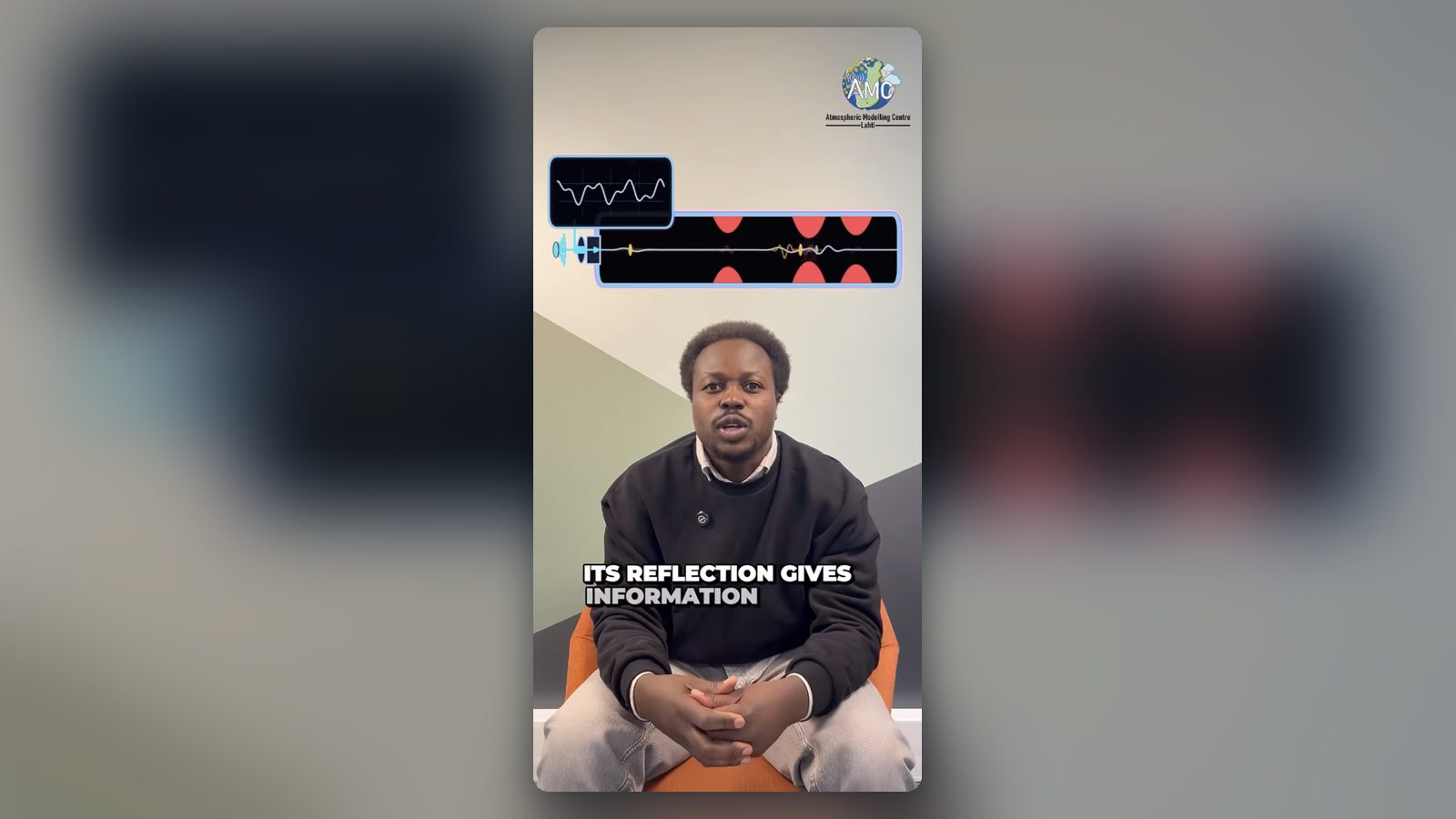
Still from the AMC-Lahti video: Samuel Agenorwoth sits in a chair explaining his research, below an animation of a sound wave travelling through a pipe and reflecting off blockages

AMC-Lahti, 22 March 2026

Pipes can talk: listening for hidden blockages

A two-minute video explaining my research for everyone: how sound reflections reveal blockages inside a pipe, how the same idea of combining measurements with computation applies to weather, and how AI speeds up the analysis for earlier, safer and cheaper maintenance.

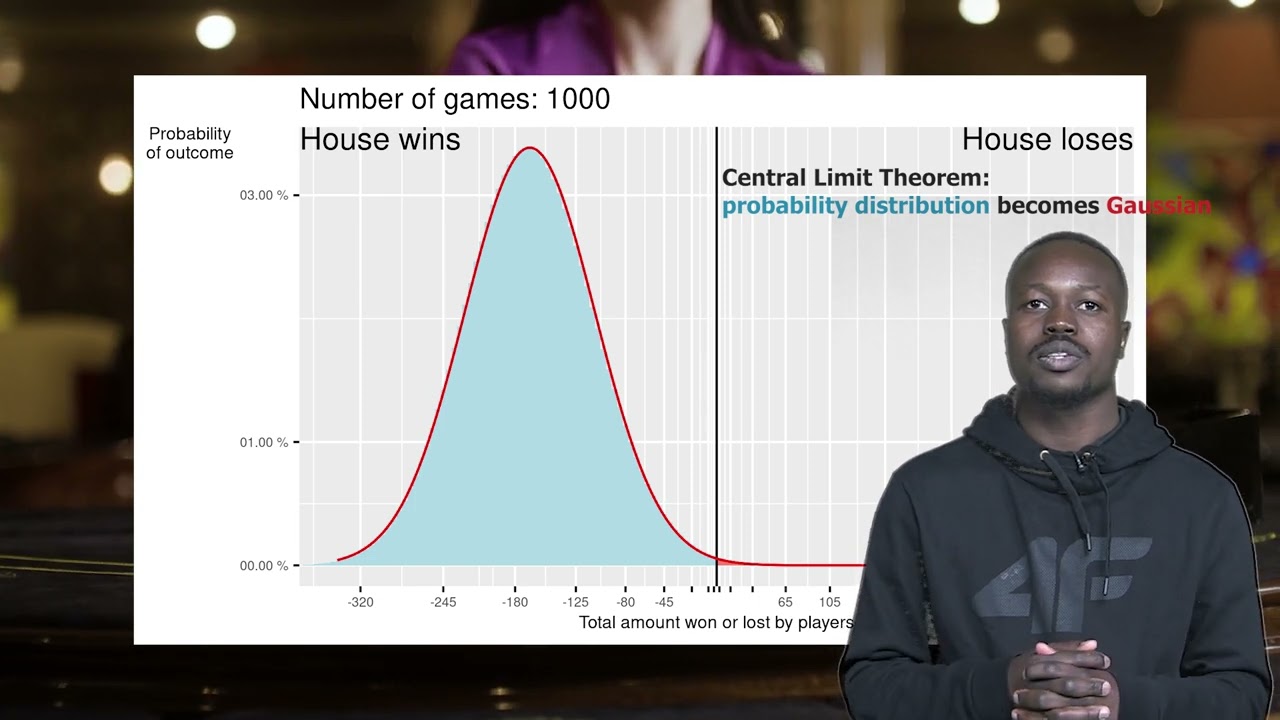
Still from the science video: Samuel Agenorwoth next to a graph showing the casino's total winnings over 1,000 games forming a bell curve

University of Helsinki & Haaga-Helia

Why the house always wins

A two-minute science video made in the joint course "How to Make a Science Video?". Using a simple dice game, it shows how the central limit theorem turns many small bets into a near-certain profit for the casino, and why poker, where you play against other players, is the one game where skill can beat the maths.